Cart
Cart Products
NRAS In-well Lysis ELISA Kit Overview
Related Products:
- RAS Antibodies: Recombinant antibodies for detecting specific RAS or all RAS isoforms.
- Recombinant RAS Proteins: Recombinant RAS proteins for use in research assays.
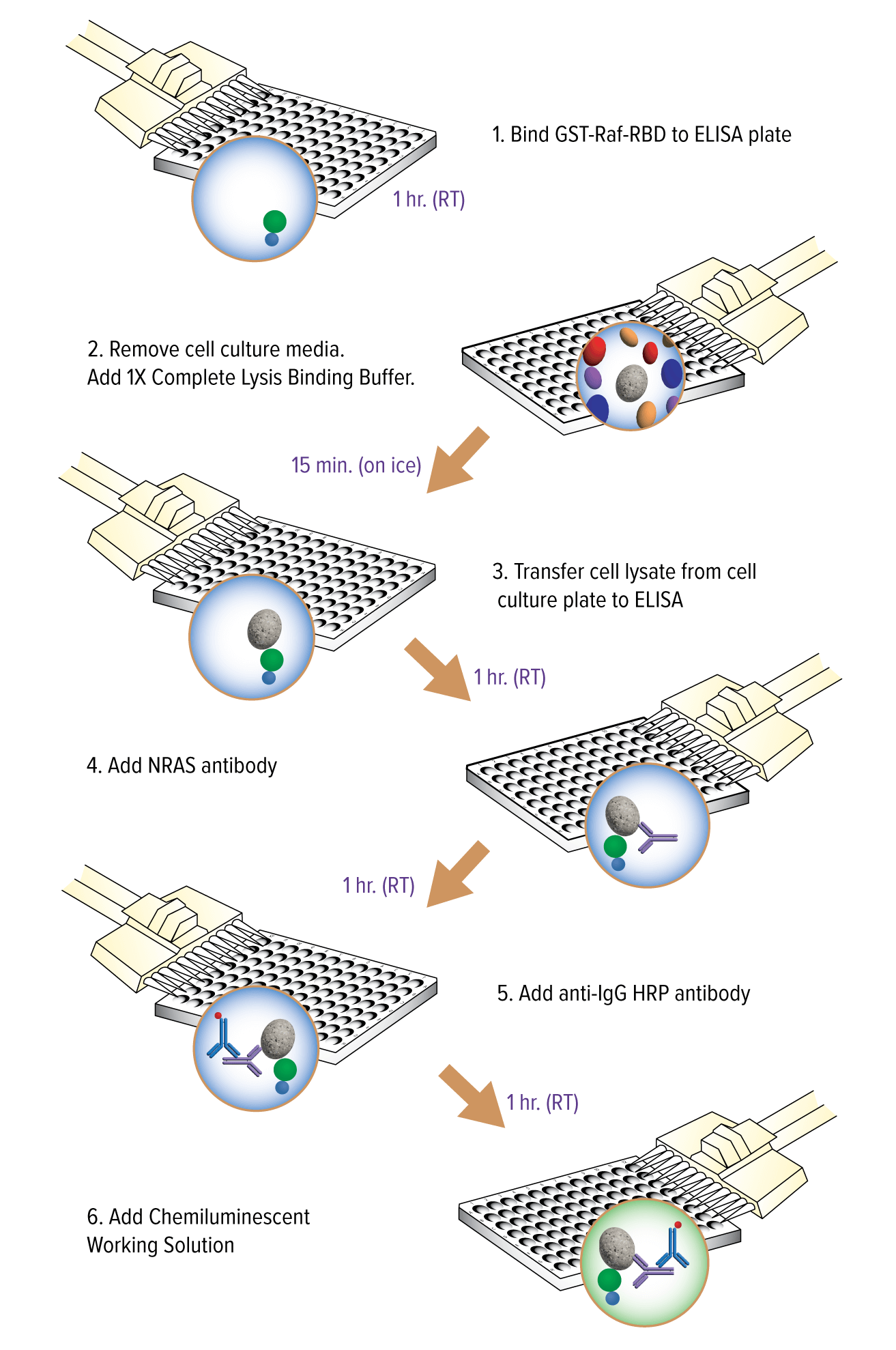
The NRAS In-well Lysis ELISA Kit is designed for high throughput quantification of active NRAS in cell lysates via chemiluminescent detection. A GST-fused, Raf-RBD protein, which binds to activated RAS, is first bound to a 96-well glutathione-coated ELISA plate. Cells containing NRAS protein are then lysed in a 96-well cell culture plate before transferring to the Raf-RBD coated ELISA plate. A highly specific human NRAS antibody is then added to detect active NRAS. Addition of a secondary antibody conjugated to horseradish peroxidase (HRP), followed by addition of developing solution provides a sensitive chemiluminescent readout that is easily quantified by luminescence.
NRAS In-well Lysis ELISA Kit Highlights
- Isoform Specific – Highly specific recombinant NRAS antibody detects activated human NRAS without cross reactivity from HRAS or KRAS.
- Fast & HTP Friendly – Excess reagents are provided so they can be used with reagent reservoirs or automated microplate washers.
- Assay Input – Use with 2 x 10⁵ - 5 x 10⁵ seeded cells per well or with 20-50 µg of whole cell extract.
(Click image to enlarge)
NRAS In-well Lysis ELISA Kit Contents
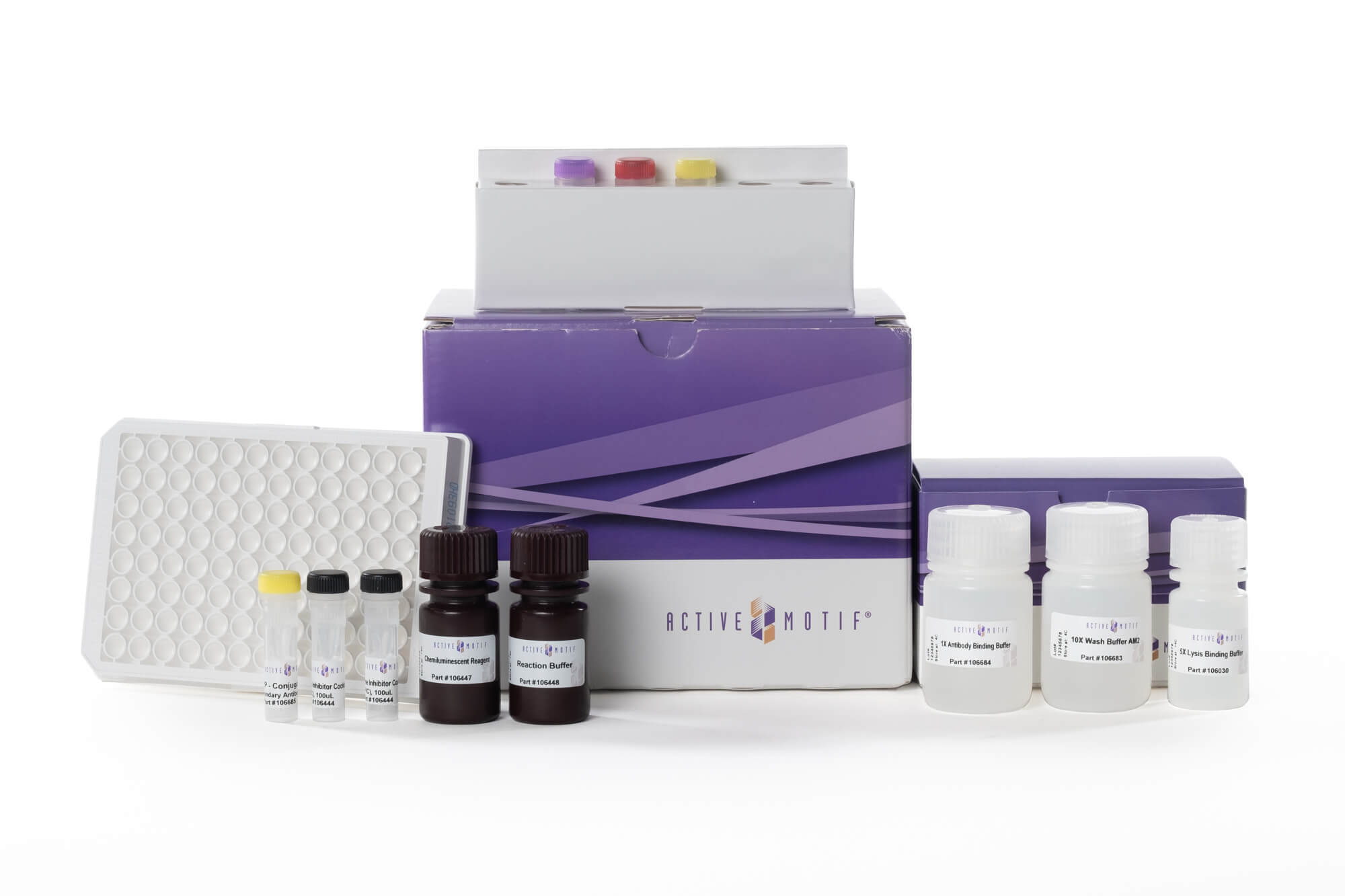
Each NRAS In-well Lysis ELISA Kit is shipped on dry ice and contains reagents requiring multiple storage temperatures. Please confirm receipt of all reagents upon arrival and store items at the appropriate temperatures as indicated below. The kit is guaranteed for 6 months when all components are stored properly.
| Cat No. 52099 | Cat No. 52110 | Storage | |
|---|---|---|---|
| Reactions | 96 | ||
| GST-Raf-RBD | 100 µl | -80°C | |
| Positive Control Extract (SK-MEL-2) | 40 µl | -80°C | |
| Recombinant NRAS Antibody | 20 µl | -80°C | |
| HRP-conjugated Secondary Antibody | 20 µl | -20°C | |
| Protease Inhibitor Cocktail (PIC) | 2 x 101 µl | 1.2 ml | -20°C |
| 5X Lysis Binding Buffer | 4 ml | 22 ml | 4°C |
| 10X Wash Buffer AM2 | 29 ml | 4°C | |
| 1X Antibody Binding Buffer | 14 ml | 4°C | |
| Chemiluminescent Reagent | 1.9 ml | 4°C | |
| Reaction Buffer | 3.8 ml | 4°C | |
| 96-well assay plate | 1 ea | 4°C | |
| Plate sealer | 4 ea | 4°C |
NRAS In-well Lysis ELISA Kit Data
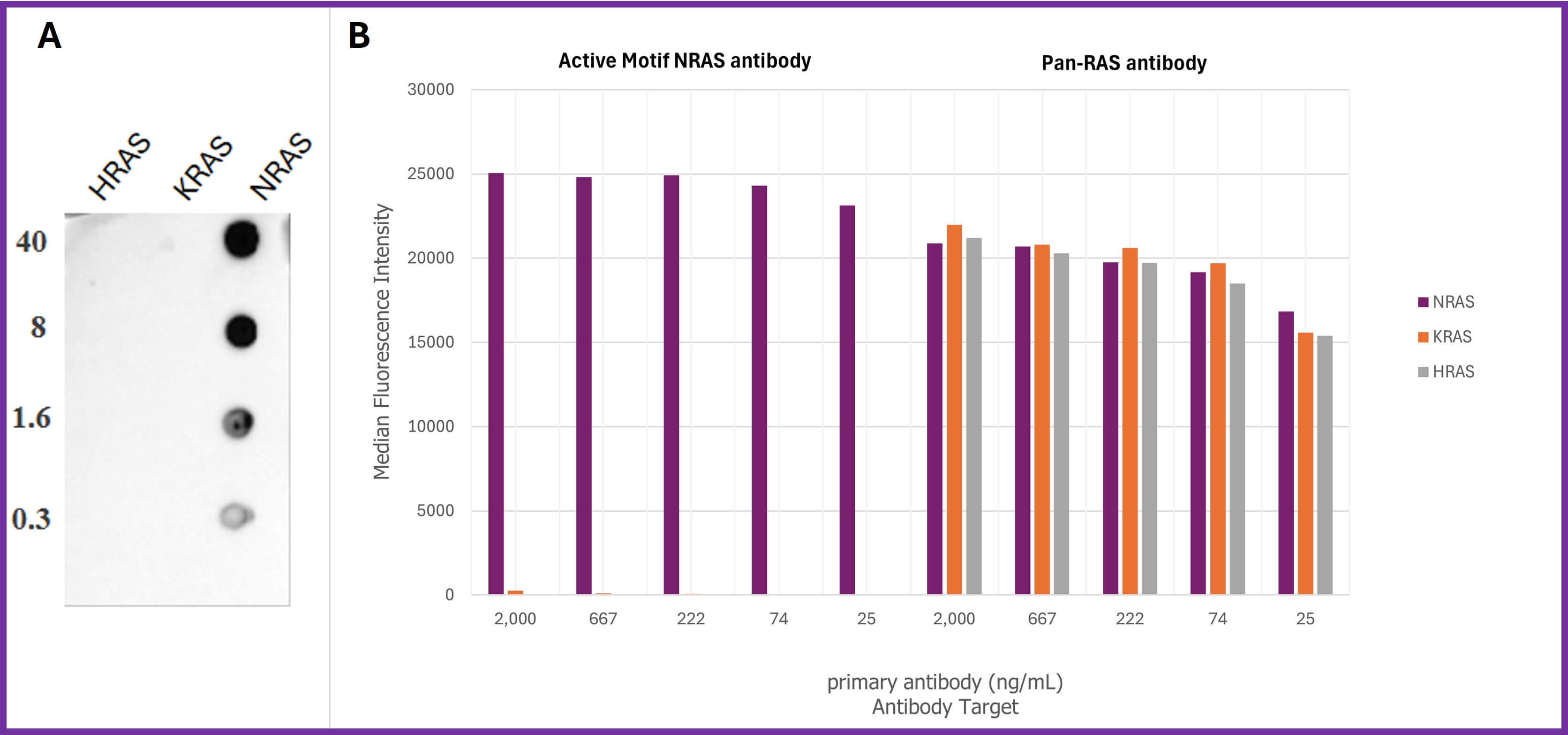
Figure 1: The recombinant NRAS antibody used in the NRAS In-well Lysis ELISA Kit is specific for human NRAS.
Active motif compared the detection of recombinant human HRAS, KRAS, and NRAS isoforms using the recombinant NRAS antibody provided in the NRAS In-well Lysis ELISA Kit. The dot blot (Figure 1A) was spotted with three types of recombinant proteins: human HRAS, human KRAS, and human NRAS. NRAS primary antibody was used at a concentration of 1 µg/ml. The NRAS antibody demonstrated preferential detection of recombinant KRAS over HRAS and NRAS. In 1B, the bead-based ELISA assay was used to confirm the specificity of NRAS antibody. HRAS, KRAS, and NRAS peptides were conjugated to MagPlex Luminex beads and incubated with 200ng/mL, 667, 222, 74, and 25 ng/mL of NRAS antibody. Peptide-bound antibody was detected with anti-mouse IgG-Phycoerythrin and read in a Luminex instrument. The NRAS antibody only detected the NRAS peptide, not HRAS and KRAS. PanRAS antibody detected all three peptides.
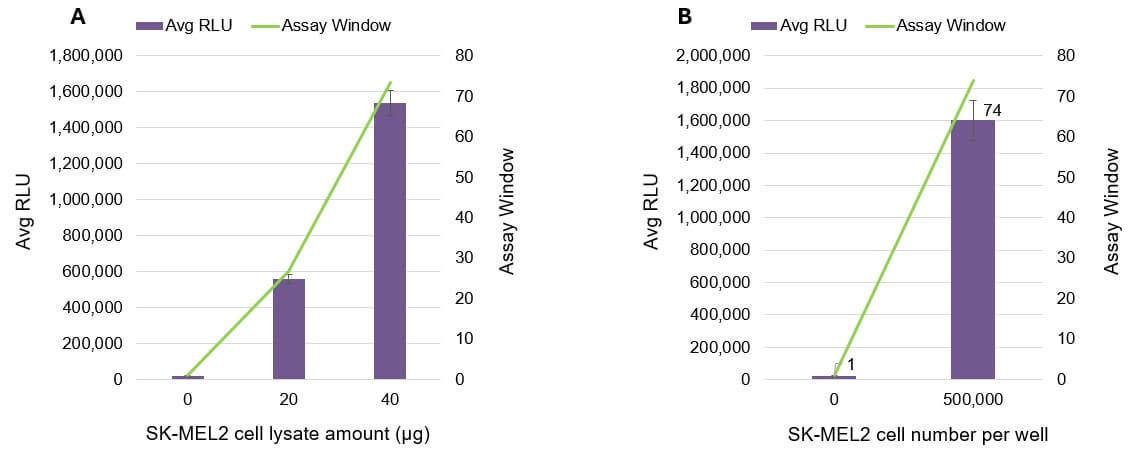
Figure 2: Performance of the NRAS In-well Lysis ELISA Kit using SK-MEL2 lysates and cells.
A: Signal detection using SK-MEL-2 cell lysates: SK-MEL-2 whole cell lysates were tested at increasing amounts (0, 20, and 40 μg), resulting in a dose-dependent increase in RLU (purple bars). The assay window (green line) also increased with higher input lysate. Error bars represent standard deviations (n = 3).
B: Signal detection using SK-MEL-2 cells in in-well lysis format: SK-MEL-2 cells were seeded directly into the well at 0 or 500,000 cells/well and lysed in place. High luminescence signal and assay window were observed at 500,000 cells/well, demonstrating compatibility of the assay with in-well lysis. Error bars represent standard deviations (n = 3).
NRAS In-well Lysis ELISA Kit FAQs
1. About the NRAS Activation ELISA Kit
The NRAS Activation ELISA Kit measures active, GTP-bound NRAS protein levels in cell lysates. The assay uses a Raf-RBD capture system to selectively bind active NRAS, followed by chemiluminescent detection using an NRAS-specific antibody.
The NRAS Activation ELISA Kit is used to measure NRAS signaling activity by quantifying active NRAS (NRAS-GTP). It is suitable for applications including cancer signaling research, pathway activation studies, drug discovery, and evaluation of NRAS pathway modulation.
The assay uses the Ras-binding domain (RBD) of Raf to capture the active, GTP-bound form of NRAS. Captured NRAS is detected using an NRAS-specific antibody and chemiluminescent readout.
Yes. The kit is designed to specifically detect active NRAS with minimal cross-reactivity to other Ras family proteins.
2. Samples and Experimental Design
The NRAS Activation ELISA Kit has been analytically validated using cultured cells and whole-cell lysates. Recommended sample types include cultured cells and cell lysates prepared from approximately 200,000–500,000 cells.
Tissues, frozen tissue samples, and formalin-fixed paraffin-embedded (FFPE) samples have not been evaluated and are not currently supported.
Fresh cell lysates are recommended for optimal assay performance. Freeze-thaw cycles may reduce active NRAS (NRAS-GTP) signal and should be minimized.
No. Tissue samples, frozen tissues, and tumor samples have not been validated for this assay and are not currently supported.
The assay detects active NRAS protein regardless of mutation status. The included positive control contains SK-MEL-2 cell extract with the NRAS Q61R mutation.
The kit includes an NRAS activation positive control consisting of SK-MEL-2 cell extract containing the NRAS Q61R mutation.
The positive control is supplied in sufficient quantity for four reactions per 96-well plate. When used at 40 µg protein input per well, it is optimized to produce a signal greater than a 10-fold assay window relative to background.
Recommended experimental controls include:
- Positive control lysate
- Untreated versus stimulated samples
- Knockdown or pathway inhibition controls (when applicable)
Yes. The NRAS Activation ELISA Kit supports in-well lysis workflows.
The recommended protein input is 40 µg per well for optimal assay performance.
3. Assay Performance
The assay typically requires approximately 4–5 hours to complete.
Protein-containing components and cell lysate controls require storage at –20 °C or –80 °C depending on the component. The kit is shipped on dry ice to maintain stability during transport. All reagents should be transferred immediately to the recommended storage conditions upon receipt.
The NRAS Activation ELISA Kit is designed specifically to measure active, GTP-bound NRAS protein levels. Like other Active Motif Ras activation assays, it uses a Ras-binding domain (RBD) capture approach to enrich for the active GTP-bound form of Ras followed by antibody-based detection.
The main difference between Active Motif Ras activation kits are highlighted below:
| Feature | NRAS Activation Kit | KRAS Activation Kit | Ras GTPase Kit |
|---|---|---|---|
| Detects | NRAS only | KRAS only | NRAS, HRAS |
| Specificity | High (NRAS-specific) | High (KRAS-specific) | Broad |
| Species | Human | Human | Human, Mouse(partial) |
| Measures | GTP-bound NRAS | GTP-bound KRAS | Total GTP-bound HRas/NRAS |
| Mutation Detection | Not Tested | Yes (G12, Q61, etc.) | N/A |
| Sample Type | Cells | Cells, tumor samples | Cells, Tissues |
| Lysis Method | In-well | In-well | Standard lysate prep |
| FFPE? | Not tested | Not tested | Not tested |
| Readout | Chemiluminescence | Chemiluminescence | Chemiluminescence |
4. Troubleshooting
Low signal may result from insufficient protein input, reduced active NRAS levels, or suboptimal sample preparation. Increasing sample input and verifying lysis conditions may improve signal.
High background may result from insufficient washing or nonspecific binding. Improving wash steps and ensuring proper assay technique may reduce background.
Additional troubleshooting guidance is available in the product manual.
NRAS In-well Lysis ELISA Kit Documents
You might also be interested in:
- Ras GTPase Chemi ELISA Kit
- KRAS GTPase Chemi ELISA Kit
- Ras Antibodies
- Recombinant RAS Proteins
- [Webinar] KRAS In-Well Lysis ELISA Kit
- [Blog] The Search for a Therapeutic Chink in Inhibitor-resistant an NRAS Mutant Tumor’s Armour
- [Blog] Measuring Ras-GTP: A Critical Readout for Next-Generation RAS Therapeutics
- [Poster] A New HTS ELISA for Monitoring NRAS Activity to Expedite Drug Discovery
- [Poster] Novel KRAS-specific In-well Lysis ELISA for High Throughput Screening