Cart
Cart Products
<< Back to MOTIFvations Blog Home Page
How Mettl14 Governs Glucose Metabolism via the 6-Methyladenosine Modification of G6pc mRNA
September 18, 2025
Table of Contents:
Do mRNA Modifications Impact Glucose Metabolism in the Liver?
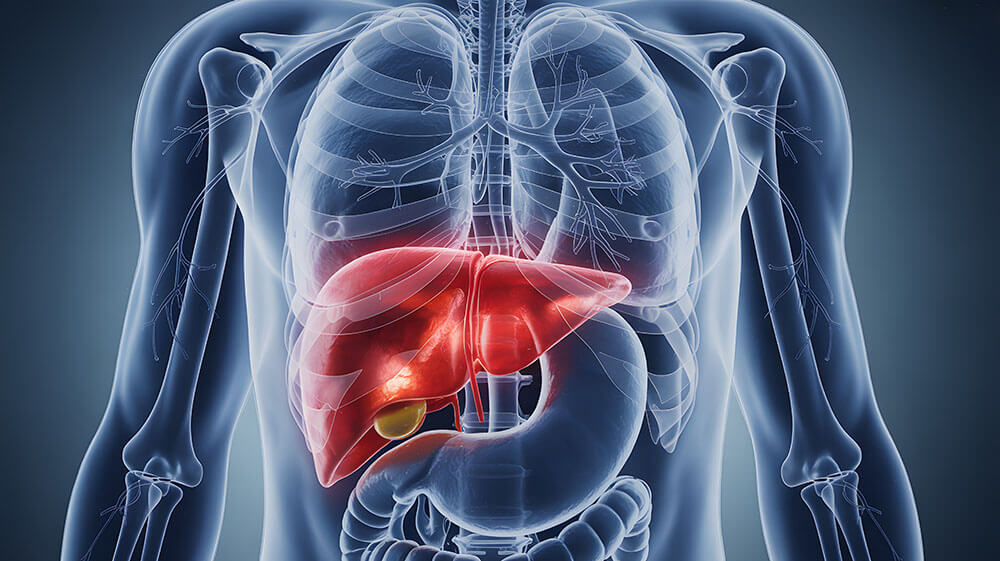
The liver produces glucose to support the metabolic demands of the body under varying physiological conditions, thanks, in part, to the function of the glucose-6-phosphatase catalytic subunit 1 (G6pc) enzyme. Unfortunately, obesity can prompt aberrantly excessive G6pc-mediated glucose production, which can cause hyperglycemia and glucose intolerance – two well-known hallmarks of type 2 diabetes (Rui, 2014). Unfortunately, we currently understand relatively little regarding the post-transcriptional regulation of G6pc and how this impacts G6pc protein production and function in terms of obesity and type 2 diabetes.
Recent studies revealed that deletion of Mettl14 (Kang et al.) or Mettl3 (Li et al.) in adipocytes protected against high-fat diet-induced obesity in mouse models; of note, Mettl14 dimerizes with Mettl3 to install N6-methyladenosine (m6A) on mRNA molecules, which impacts their post-transcriptional regulation. These previous studies suggested to researchers from the laboratory of Liangyou Rui (University of Michigan) that a Mettl14/Mettl3/m6A axis may regulate glucose metabolism in liver cells and that obesity-induced epitranscriptomic reprogramming could represent the driving force behind the development of type 2 diabetes. The team´s new Advanced Science study now reveals how the dynamic m6A modification of G6pc mRNA in liver cells governs glucose metabolism under both healthy and pathological conditions (Zheng et al.); overall, these findings may provide a new avenue of research in the fields of obesity and type 2 diabetes.

Linking Mettl3/Mettl14 and N6-methyladenosine-modified G6pc mRNA to Glucose Metabolism and Obesity
After confirming that Mettl14 (in concert with Mettl3) bound to and catalyzed the m6A modification of G6pc mRNA, the authors noted the upregulation of Mettl14 and Mettl3 protein, m6A-modified G6pc mRNA, and G6pc protein in the livers of mice with high-fat diet-induced obesity. Their study also revealed that Mettl14 overexpression increased the levels of the m6A modification on G6pc mRNA, which prompted improved mRNA stability and translation; however, the disruption of five m6A sites identified on G6pc blocked the introduction of the Mettl14-induced m6A modification and any improvement in mRNA stability and translation. Of note, the small-drug-mediated inhibition of Mettl3 also blocked METTL14-stimulated m6A methylation, further underscoring that Mettl14 partners with Mettl3 to catalyze the addition of m6A to G6pc mRNA. The authors then discovered that the m6A “reader” proteins Ythdf1 and Ythdf3 became bound to m6A-modified G6pc mRNA, which prompted the increased biosynthesis of G6pc. Overall, the authors propose that Mettl14/Mettl3 directly installs m6A methylation on G6pc mRNA and that Ythdf1 and Ythdf3 then bind to the m6A-modified G6pc mRNA to inhibit ¡ decay and improve translation, thereby increasing G6pc protein biosynthesis and supporting gluconeogenesis in the liver.
Further analysis revealed that the hepatocyte-specific deletion of Mettl14 promoted a decrease in the m6A-modification of G6pc mRNA and inhibited gluconeogenesis in primary hepatocytes, liver slices, and in mouse models; furthermore, the loss of Mettl14 expression also decreased glucose production in the mouse liver and ameliorated the progression of high-fat diet-induced metabolic disorders.
What Roles do METTL3/METTL14 and N6-methyladenosine-modified RNA Play in Human Diabetes and Obesity?
This study suggests that unidentified obesogenic factors upregulate the levels of Mettl3/Mettl14 in the liver; this mechanism then increases the levels of m6A-modified G6pc mRNA and G6pc protein, which elevates glucose metabolism and induces type 2 diabetes in mouse models; however, these findings may also translate to the realm of human obesity and type 2 diabetes. The authors note the upregulation of METTL3 and METTL14 in the livers of human patients with obesity and diabetes (Xie et al. and Cheng et al.) and the white blood cells of human patients with type 2 diabetes (Yang et al.), suggesting that, when viewed in light of the results of this fascinating new study, any of the factors involved in the m6A pathway associated with G6pc mRNA post-transcriptional regulation may represent new therapeutic targets for the treatment of obesity/type 2 diabetes. Of note, upstream regulators of METTL3 and METTL14 remain relatively elusive, although ubiquitin E3 ligases and deubiquinating enzymes may represent interesting primary targets in this sense (Zeng et al. and Zhou et al.).
About the author

Stuart P. Atkinson, Ph.D.
Stuart was born and grew up in the idyllic town of Lanark (Scotland). He later studied biochemistry at the University of Strathclyde in Glasgow (Scotland) before gaining his Ph.D. in medical oncology; his thesis described the epigenetic regulation of the telomerase gene promoters in cancer cells. Following Post-doctoral stays in Newcastle (England) and Valencia (Spain) where his varied research aims included the exploration of epigenetics in embryonic and induced pluripotent stem cells, Stuart moved into project management and scientific writing/editing where his current interests include polymer chemistry, cancer research, regenerative medicine, and epigenetics. While not glued to his laptop, Stuart enjoys exploring the Spanish mountains and coastlines (and everywhere in between) and the food and drink that it provides!
Contact Stuart on X with any questions
Related Articles
The METTL14/miR-122-5p/KAT2A/β-catenin Axis: A Source of Epigenetic Targets for Liver Cancer Treatment?

September 15, 2025
The identification of a METTL14/miR-122-5p/KAT2A/β-catenin Axis may represent a source of epigenetic targets for liver cancer treatment. This exciting study linked together various epigenetic layers of information to improve our understanding of disease development and may provide targets for the development of novel hepatocellular carcinoma (HCC) therapeutics. Read the blog to learn more!
Read More
Eat Your Greens – More Science Behind Polyphenols, DNA methylation & Epigenetic Aging

January 15, 2025
A diet rich in polyphenols can slow DNA-methylation-based epigenetic aging in human adults, as shown by a team of researchers, highlighting the positive impact of a green-Mediterranean diet enriched in polyphenolic compounds. Our easy-to-digest review will get you charged for a healthy 2025!
Read More
An Epigenetic Link Helps the Gut Microbiome to Battle Obesity
January 26, 2022
Researchers are getting in to how the gut microbiome can influence epigenetic processes and gene expression, with insight that may reveal new ways to battle obesity.
Read More
<< Back to MOTIFvations Blog Home Page