Cart
Cart Products
<< Back to MOTIFvations Blog Home Page
The METTL14/miR-122-5p/KAT2A/β-catenin Axis: A Source of Epigenetic Targets for Liver Cancer Treatment?

September 15, 2025
Table of Contents:
Hepatocellular carcinoma: An Epigenetic Perspective to Disease Development
Hepatocellular carcinoma (HCC), the most common type of liver cancer, remains a challenging disease to diagnose and treat, which has prompted studies that aimed to identify novel biomarkers and potential therapeutic targets. A recent study from the laboratory of Xiangyu Fan (Fourth Hospital of Harbin Medical University) sought to explore the impact of various epigenetic regulatory layers – including RNA methylation (N6‐methyladenosine; m6A), and micro(mi)RNA expression - given a wealth of previously published supporting data.
These studies had linked the overexpression of methyltransferase‐like 3 (METTL3), which functions as a major RNA N6‐adenosine methyltransferase in combination with METTL14 (Liu et al.), to the repression of suppressor of cytokine signaling 2 (SOCS2) expression and HCC development (Mengnuo et al.). Meanwhile, studies had demonstrated the overexpression of miR-122-5p in highly proliferative and metastatic HCC cells (Ma et al.) and identified miR-122-5p expression as a prognostic marker in HCC (Wen et al.). Linking these two worlds together, related research had described the regulation of miRNA expression via m6A modification in HCC; for example, the METTL3-induced maturation of miR-589-5p contributes to HCC malignancy (Liu & Jiang). Additional examples of epigenetic regulation in HCC include the overexpression of the KAT2A (also known as GCN5) protein lysine acyltransferase (acting as an acetyltransferase, glutaryltransferase, succinyltransferase, or malonyltransferase, depending on the context), which prompted enhanced HCC tumor cell growth (Zhu & Lu).
The Fan lab´s new study, published recently in Scientific Reports, reports on their exploration of the regulatory crosstalk between the m6A RNA modification and miR-122-5p expression/function in HCC development; furthermore, as their research identified KATA2 as a downstream target of miR-122-5p, they also explored the impact of protein succinylation in HCC (Fan et al.). Overall, they hoped that this new perspective and the first description of an HCC-associated METTL14/miR-122-5p/KAT2A/β-catenin axis would broaden the understanding of disease development and provide a basis for targeted miRNA-based therapy for liver cancer.

Revealing a METTL14/miR-122-5p/KAT2A/β-catenin Mechanistic Axis in Liver Cancer
Analysis of published high-throughput gene expression data, followed by validation in patient samples, first underscored the lowered expression of miR-122-5p associated with HCC. The commonly used Hep3B and Huh7 HCC cell lines also expressed low levels of miR-122-5p, and, interestingly, miR-122-5p overexpression in these cells prompted reduced cell viability and migratory/invasive ability. Overall, these findings suggested a role for miR-122-5p as a potent HCC tumor suppressor.
A subsequent analysis of the roles of m6A writers (METTL3, METTL14, WTAP, KIAA1429) and erasers (FTO and ALKBH5) demonstrated how METTL14 overexpression prompted increased miR-122-5p levels, which correlated with increased m6A levels of the relevant pre-miRNA (pri-miR-122) and enhanced miR-122-5p maturation.
Next, the prediction of miR-122-5p targets highlighted KAT2A; subsequently, the authors confirmed miR-122-5p binding to KAT2A and revealed that miR-122-5p overexpression significantly reduced KAT2A expression. Additionally, they revealed the elevated expression of KAT2A in human HCC samples and Hep3B and Huh7 HCC cell lines, which all expressed low levels of miR-122-5p, and then discovered that KAT2A overexpression inhibited the anti-tumorigenic effect of miR-122-5p overexpression. But what role does KAT2A play? The study revealed that KAT2A overexpression increased overall cellular succinylation levels in Hep3B and Huh7 HCC cell lines and specifically increased the succinylation level of β-catenin, which prompted a reduction in β-catenin protein stability.
Finally, the authors explored the therapeutic potential of targeting miR-122-5p in HCC in vivo in a mouse xenograft model; overall, they discovered that miR-122-5p overexpression reduced tumor weight and volume, reduced KAT2A expression, and increased β-catenin expression, suggesting that miR-122-5p overexpression may hinder HCC tumorigenesis in vivo.
New Targets for Liver Cancer Treatment Identified?
This exciting study linked together various epigenetic layers of information to reveal a role for the previously unreported METTL14/miR-122-5p/KAT2A/β-catenin axis in HCC, which significantly improves our understanding of disease development and may provide targets for the development of novel HCC therapeutics, which include RNA methylation (METLL13/METTL14), microRNA regulation (miR-122-5p), succinylation (KAT2A), and signaling pathways (β-catenin). Indeed, the authors suggest that combining METLL13/METTL14 activation, miR-122-5p mimicry, and KAT2A inhibition may produce a synergistic effect to overcome the known limitations of single-target therapy and inhibit the progression of HCC. Overall, this exciting epigenetics study may have helped to identify new biomarkers and therapeutic targets for the most common type of liver cancer.
About the author

Stuart P. Atkinson, Ph.D.
Stuart was born and grew up in the idyllic town of Lanark (Scotland). He later studied biochemistry at the University of Strathclyde in Glasgow (Scotland) before gaining his Ph.D. in medical oncology; his thesis described the epigenetic regulation of the telomerase gene promoters in cancer cells. Following Post-doctoral stays in Newcastle (England) and Valencia (Spain) where his varied research aims included the exploration of epigenetics in embryonic and induced pluripotent stem cells, Stuart moved into project management and scientific writing/editing where his current interests include polymer chemistry, cancer research, regenerative medicine, and epigenetics. While not glued to his laptop, Stuart enjoys exploring the Spanish mountains and coastlines (and everywhere in between) and the food and drink that it provides!
Contact Stuart on X with any questions
Related Articles
How Mettl14 Governs Glucose Metabolism via the 6-Methyladenosine Modification of G6pc mRNA
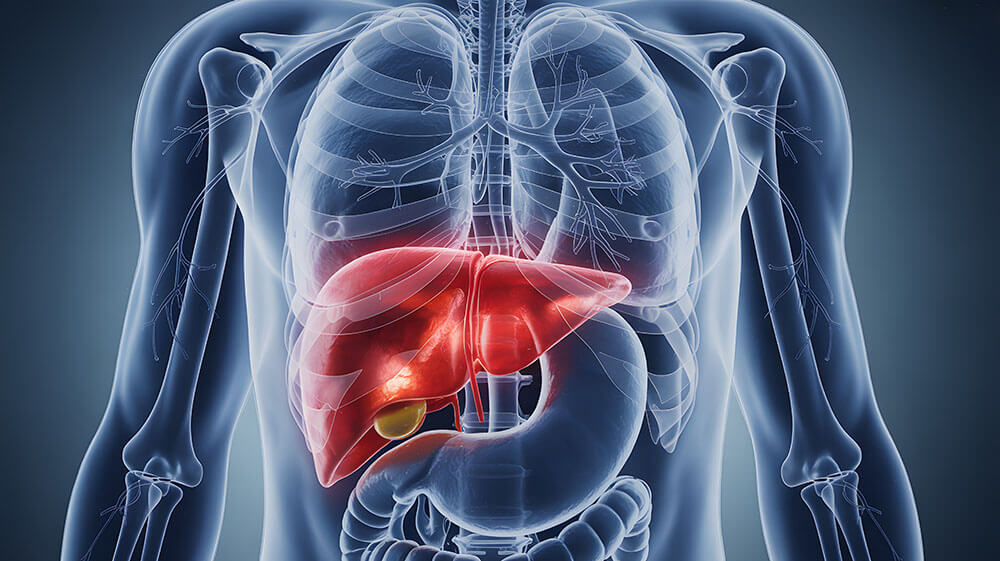
September 18, 2025
In combination with Mettl3, a new obesity and type 2 diabetes study reveals how Mettl14 governs glucose metabolism in the mouse liver via the 6-methyladenosine modification of G6pc mRNA. This study suggests that unidentified obesogenic factors upregulate the levels of Mettl3/Mettl14 in the liver which may also translate to the realm of human obesity and type 2 diabetes. Read the blog to learn more!
Read More
Early Environmental Exposome Synergizes with Later Dietary Choices to Impact Metabolism
February 23, 2023
In this blog, we look at how exposure to these environmental stressors such as endocrine-disrupting chemicals (EDCs) during early development can induce metabolic dysfunction following a metabolic challenge in the adult by reprogramming the epigenome. More evidence of how the exposome of our childhood may set us up to be more vulnerable to metabolic disease later in life.
Read More
Targeting Epigenetic Enzymes for Drug Discovery & Development

February 22, 2019
Epigenetic targets are some of the most promising classes of druggable targets to emerge in a decade. These targets are relevant to almost every field of research and disease area. This article highlights the commonly-studied classes of proteins and enzymes in epigenetic drug discovery.
Read More
<< Back to MOTIFvations Blog Home Page