Cart
Cart Products
<< Back to MOTIFvations Blog Home Page
BRD4 and SNA1e Combine to Increase Cancer Cell Aggression: Using CRISPR screening as a Tool

August 4, 2025
Table of Contents:
Exploring the Interplay Between Enhancer RNAs and TGF-β Signaling in EMT: Does BRD4 Play a Role?
While the epithelial-to-mesenchymal transition (EMT) remains vitally important to normal physiological processes such as embryonic development, tissue remodeling, and wound healing, abnormal EMT activation by factors such as transforming growth factor-β (TGF-β) can induce the development of many of the hallmarks of aggressive cancers (Katsuno et al. and Liu, Ren, & ten Dijke). TGF-β signaling through cell surface complexes of type I and type II serine/threonine kinase receptors (TβRI and II) prompts SMAD protein complexes to cooperate with other transcription factors, inducing the transcription of genes encoding EMT-related transcription factors such as Snail Family Transcriptional Repressor 1 (SNAI1). Interestingly, enhancer RNAs - which facilitate local enhancer activities and enhancer-promoter looping to influence gene transcription (Sartorelli & Lauberth) - transcribed from a SNAI1 gene enhancer element enhance SNAI1 gene expression and promote EMT (Kumar et al.).
While researchers from the laboratories of Qian Wang and Peter ten Dijke (Leiden University Medical Center) knew of studies that linked long non-coding RNAs to TGF-β/SMAD signaling modulation, they recognized that the interplay between enhancer RNAs and TGF-β/SMAD signaling in EMT remained relatively unexplored. In their recent Nature Communications study, the authors employed a CRISPR activation-based gain-of-function screen (Konermann et al.) in breast cancer cells to identify the SNAI1 enhancer RNA (SNAI1e) as a critically important activator of SNAI1 expression and enforcer of TGF-β/SMAD signaling in a mechanism that involves the transcriptional co-activator bromodomain containing protein 4 (BRD4) (Fan and Wang et al.). Overall, these findings suggest that BRD4 helps SNAI1e to increase cancer cell aggression by increasing SNAI1 expression and inducing EMT; do these two factors represent targets of interest in the battle against cancer?

BRD4-SNA1 Interactions Increase SNA1 Expression via SNA1 Gene Enhancer Activation
The study first identified the SCREEM2 (Kumar et al.) as the top hit in their screen for long non-coding RNA potentiators of TGF-β/SMAD signaling in breast cancer cells. As this previous study had demonstrated that SCREEM2 enhanced the expression of the nearby SNA1 gene, the authors renamed SCREEM2 as SNAI1 enhancer RNA or SNAI1e.
The authors highlighted higher SNAI1e expression levels in triple-negative breast cancer cells when compared to less-malignant breast cancer cell lines and normal breast cells; this data suggested a link between SNAI1e expression and tumor aggressiveness. Subsequent research revealed that TGF-β/SMAD signaling directly induced SNAI1e expression from the SNAI1 enhancer region, which associated with the enrichment of H3K27ac and H3K4me1 within the SNAI1e gene body region. Meanwhile, SNAI1e depletion in aggressive breast cancer cells significantly mitigated TGF-β-induced SNAI1 expression (suggesting that TGF-β/SMAD signaling induces SNAI1e expression to then promote SNAI1 expression in a feedforward loop) and impaired the induction of EMT and the appearance of aggressive cancer cell hallmarks. The authors also fully characterized and validated the SNAI1e gene body as an active enhancer by demonstrating direct and specific contact between the gene bodies of SNAI1e and SNAI1 by chromosome conformation analysis.
Further studies revealed that SNAI1e functions by promoting the activity of the SNAI1 enhancer by binding to BRD4 through two bromodomains (Rahnamoun et al.) and facilitating BRD4 enrichment at said enhancer through an association with the histone modification H3K27ac, which enhances SNAI1 expression and elevates the levels of the SNAI1 transcription factor. The authors suggest that SNA1e binding to BRD4 induces a conformational alteration that prompts enhanced interactions with acetylated histones and thereby enhances its function as a transcriptional co-activator. Finally, the team discovered that SNA1 also interacted with the inhibitory SMAD7 protein and anchored it in the nucleus, which antagonized TβRI polyubiquitination and proteasomal degradation and thereby enhanced TGF-β/SMAD signaling and EMT.
BRD4: A Crucial Role in SNAI1e-driven Epithelial-to-Mesenchymal Transition and Cancer Cell Aggression?
These data reveal SNAI1e as an enhancer RNA that “enhances” SNAI1 expression and, as such, promotes TGF‐β/SMAD signaling and induces the appearance of EMT-associated hallmarks that signify the increased aggression of breast cancer cells. This fascinating study also revealed a significant role for BRD4 in SNAI1e-driven EMT; however, the undesirable on-target effects of selective BRD4 inhibitors (Liang, Tian, & Wu and Tang et al.) - due to its widespread expression and function in normal physiological processes – and the well-known development of BRD4 inhibitor resistance (Pastushenko & Blanpain) in cancer cells suggest that targeting SNAI1e to suppress TGF‐β/SMAD signaling and EMT may now represent a safer and more effective means of overcoming these problems and battling against cancer cell aggression.
This study was supported by the application of the anti-H3K27ac and anti-H3K4me1 antibodies from Active Motif (among notable other antibodies - anti-RNA polymerase II antibody, anti-H3K4me1 antibody, and the anti-H3K4me3 antibody)! Active Motif is here to help you explore the epigenetic and transcriptomic underpinnings of cancer and other diseases via our massive range of associated products and services.
About the author
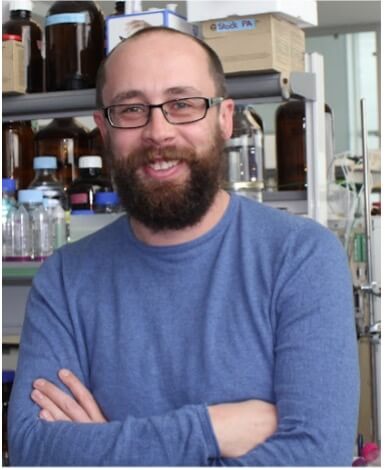
Stuart P. Atkinson, Ph.D.
Stuart was born and grew up in the idyllic town of Lanark (Scotland). He later studied biochemistry at the University of Strathclyde in Glasgow (Scotland) before gaining his Ph.D. in medical oncology; his thesis described the epigenetic regulation of the telomerase gene promoters in cancer cells. Following Post-doctoral stays in Newcastle (England) and Valencia (Spain) where his varied research aims included the exploration of epigenetics in embryonic and induced pluripotent stem cells, Stuart moved into project management and scientific writing/editing where his current interests include polymer chemistry, cancer research, regenerative medicine, and epigenetics. While not glued to his laptop, Stuart enjoys exploring the Spanish mountains and coastlines (and everywhere in between) and the food and drink that it provides!
Contact Stuart on X with any questions
Related Articles
DISCOVER-Seq Tracks Off-target CRISPR/Cas-Gene Editing

July 27, 2023
DISCOVER-Seq and DISCOVER-Seq+ track the off-target activities of CRISPR/Cas-gene editing in vivo to ensure the safety of novel therapeutic approaches to disease. In this article, we bring this new and innovative idea into an easy-to-track framework that will help keep you on top of CRISPR science!
Read More
<< Back to MOTIFvations Blog Home Page