Cart
Cart Products
<< Back to MOTIFvations Blog Home Page
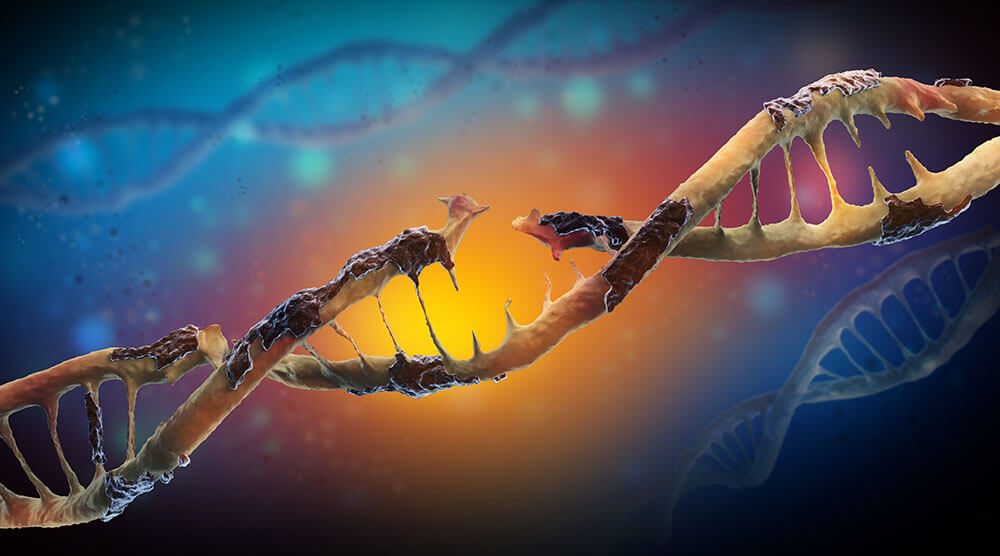
Metabolic Machinations: Targeting TIP60-mediated NSB1 Lactylation May Improve Cancer Patient Survival
October 13, 2025
Table of Contents:
How Do Cancer Cell Metabolites Promote DNA Repair and Cell Survival?
While altered cell metabolism and heightened genome instability represent important hallmarks of cancer (Hanahan, 2022), we know little regarding how metabolites may promote DNA repair and cell survival. Uncovering the critical pathways and mechanisms may identify cancer cell vulnerabilities that we can target to improve patient outcomes. Of importance to a new study from researchers led by Yulong He, Dong Yin, and Changhua Zhang (Sun Yat-sen University) and Axel Behrens (Institute of Cancer Research, London), the Warburg effect involves a switch to the preferential anaerobic metabolization of glucose (Hanahan, 2022 and Vander Heiden et al.) and the associated substantial accumulation of the metabolite lactate in cancer cells (Ippolito et al.).
Their new Nature study (Chen, Li, and Li et al.) now highlights how the addition of lactate moieties (lactylation) to NBS1 – a protein that plays a crucial role in sensing and repairing of DNA damage – by the TIP60 (KAT5) – a lysine acyltransferase directly involved in early DNA repair and cell survival (Squatrito et al., Sun et al., and Zhang et al.) - represents a critical mechanism for genome stability that contributes to chemoresistance; furthermore, these findings identify the inhibition of lactate production as a promising therapeutic cancer strategy. Overall, the exploration of the metabolic machinations of cancer cells may lead to the discovery of a means to improve cancer patient survival.

TIP60-mediated NSB1 Lactylation Enhances DNA Repair Activity and Worsens Cancer Patient Outcomes
The results of this exciting new study described how the lactylation of the NBS1 protein promotes homologous recombination-mediated DNA repair. In brief, the anaerobic metabolization of glucose and the associated increase in the levels of the end metabolite lactate in cancer cells supported the lactylation of NBS1, which promoted the formation of the MRE11–RAD50–NBS1 (MRN) complex and the accumulation of homologous recombination repair proteins at the sites of DNA double-strand breaks. The MRN complex has a previously reported and crucial role in sensing DNA double-strand breaks and activating the DNA repair pathway (Scully et al., Lee & Paull, and Stracker & Petrini). The authors also identified TIP60 (also known as KAT5) as the NBS1 lysine lactyltransferase and HDAC3 as the NBS1 de-lactylase. While the histone acetyltransferase activity of TIP60 supports the epigenetic regulation of gene expression, a range of studies have revealed that TIP60 can catalyze the modification of non-histone proteins. Specifically, TIP60 mediates NBS1 lactylation at K388 (a lysine residue located on the interaction interface between NBS1 and MRE11) with the help of ATM, whose activity is stimulated by TIP60-mediated acetylation. Overall, MRN complex formation and efficient DNA repair in cancer cells required the TIP60-mediated lactylation of NBS1 on lysine residue K388.
Interestingly, the study also revealed that high levels of NBS1 lactylation predicted poor patient outcome following neoadjuvant chemotherapy treatment; however, the reduction in lactate levels (induced by either genetic depletion of lactate dehydrogenase A or lactate dehydrogenase A inhibitor treatment) inhibited NBS1 lactylation, decreased DNA repair efficacy, and overcame chemoresistance. While chemotherapy remains a mainstay therapy for the treatment of most cancer types, the common development of chemoresistance significantly reduces patient survival; however, this study now suggests that lactate dehydrogenase A inhibitor treatment in combination with chemotherapy may represent a promising approach to improve chemotherapy outcomes and the survival of cancer patients.
Improve Cancer Patient Survival by Targeting TIP60-mediated NSB1 Lactylation
In summary, this study identified lactate as a “protective” metabolite that safeguards genome integrity and confers cancer cell survival in response to chemotherapeutic treatment thanks to the lysine lactylation capacity of TIP60 and the activity of the target protein NBS1; therefore, targeting lactate represents a promising therapeutic cancer strategy. Of note, the study identified additional lactylated DNA repair-related proteins in chemoresistant cancer cells, highlighting the generality and importance of this lysine modification. Indeed, the authors highlight a recent study that revealed how lactylation enhances MRE11 DNA binding and DNA end resection (Chen et al.) as an additional impetus to explore the unknown effects of lactylation on the DNA repair machinery. Can additional explorations of the metabolic machinations of cancer cells lead to the discovery of yet more means of improving cancer patient survival?
About the author
Stuart P. Atkinson, Ph.D.
Stuart was born and grew up in the idyllic town of Lanark (Scotland). He later studied biochemistry at the University of Strathclyde in Glasgow (Scotland) before gaining his Ph.D. in medical oncology; his thesis described the epigenetic regulation of the telomerase gene promoters in cancer cells. Following Post-doctoral stays in Newcastle (England) and Valencia (Spain) where his varied research aims included the exploration of epigenetics in embryonic and induced pluripotent stem cells, Stuart moved into project management and scientific writing/editing where his current interests include polymer chemistry, cancer research, regenerative medicine, and epigenetics. While not glued to his laptop, Stuart enjoys exploring the Spanish mountains and coastlines (and everywhere in between) and the food and drink that it provides!
Contact Stuart on X with any questions
Related Articles
The METTL14/miR-122-5p/KAT2A/β-catenin Axis: A Source of Epigenetic Targets for Liver Cancer Treatment?
September 15, 2025
The identification of a METTL14/miR-122-5p/KAT2A/β-catenin Axis may represent a source of epigenetic targets for liver cancer treatment. This exciting study linked together various epigenetic layers of information to improve our understanding of disease development and may provide targets for the development of novel hepatocellular carcinoma (HCC) therapeutics. Read the blog to learn more!
Read More
<< Back to MOTIFvations Blog Home Page