Cart
Cart Products
<< Back to MOTIFvations Blog Home Page
Lactate-induced Epigenetic Activation of MYC Gene Expression: A New Metabolic Anti-tumor Target?
December 12, 2025
Table of Contents:
Exploring the Influence of Cell Metabolism on Cell Fate Decisions in Tumors
Intestinal tumors retain a degree of hierarchical organization, thanks to the presence of highly proliferative, self-renewing cancer stem cells (CSCs) that give rise to cancer-differentiated cells (CDCs) (Schepers et al.). Importantly, the genetic and phenotypic heterogeneity of cancer cells, coupled with the plasticity and ability of CDCs to revert to CSCs, significantly contributes to therapeutic resistance and disease relapse, which severely impacts patient outcomes (Greenbaum et al. and Punt et al.).
Given a wealth of research reporting differences in the metabolic phenotypes of distinct normal intestinal cell types (Rodríguez-Colman et al., Beyaz et al., and Bruens et al.), researchers from the laboratory of Maria J. Rodríguez Colman (University Medical Center Utrecht) sought to explore whether cancer cell-type-specific metabolic phenotypes impact cell fate decisions in intestinal tumors by simultaneously tracing cell-type specification and metabolic changes and reconstructing cell lineage trajectories during the development of human colon tumor organoids. They undertook this task with the help of genetically encoded fluorescent reporters and an imaging-based machine learning method that simultaneously tracked and traced cell-type specification and metabolism at the single-cell level with high temporal resolution.
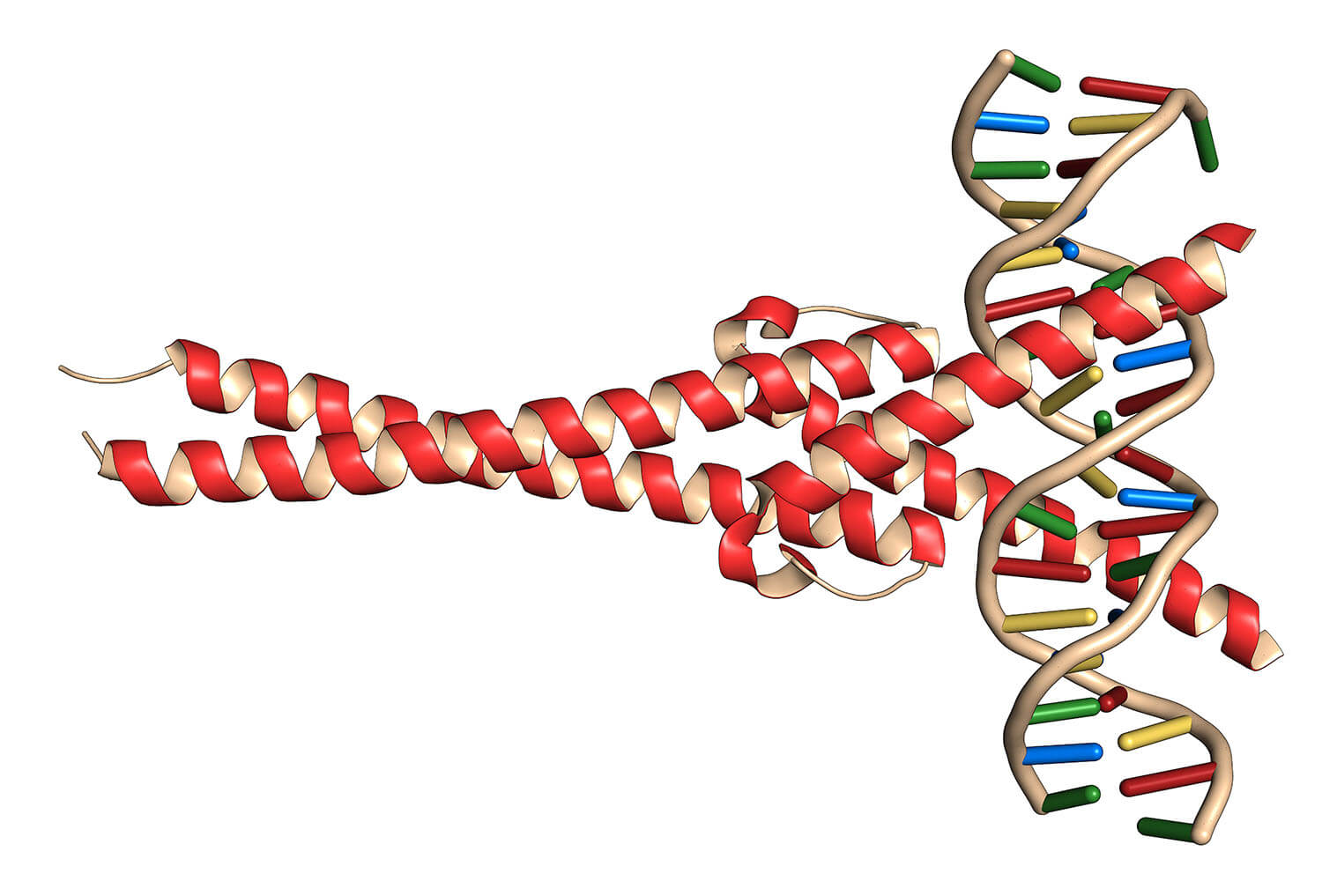
Their findings, published recently in Cell Metabolism, now reveal the differential metabolism of lactate by CSCs and CDCs; furthermore, they describe how this tumor cell metabolite suppresses CSC differentiation and induces CDC dedifferentiation (forming proliferative CSCs), in part by inducing an increase in histone acetylation levels and the epigenetic activation of the MYC oncogene with the help of the epigenetic reader bromodomain-containing protein 4 (BRD4) (Nguyen et al.).
Can this metabolic and epigenetic study of human colon tumor organoids provide promising anti-tumor targets in the battle to prevent disease recurrence?

Tumor-associated Lactate Production Enhances Stemness through the Epigenetic Activation of MYC Expression
Previous studies from the Rodriguez Colman lab had underscored the importance of lactate-mediated interactions between mouse intestinal stem cells and differentiated normal cells, as well as the role of metabolic changes in driving stem cell differentiation (Beyaz et al., Ludikhuize et al., and Schell et al.). Notably, the tumorigenesis-associated Warburg effect promotes the development of a low-glucose and high-lactate tumor microenvironment (de la Cruz-López et al., Walenta et al., and Hirayama et al.). In this new study, the team identified metabolic differences similar to those observed in mice when studying normal human colon tissues and colon tumors using immunostaining and single-cell RNA sequencing. Their detailed analysis of human-engineered colorectal cancer organoids, which recapitulate tissue architecture and cellular dynamics (Zhao et al. and Bose et al.), also revealed the presence of CSCs and CDCs that displayed differential metabolic profiles (while glycolysis and mitochondrial respiration occurred in both cell types); specifically, they provided evidence that CSCs metabolized the high levels of lactate produced by CDCs, suggesting a central role for lactate in tumor development. Fascinatingly, the authors discovered that increased lactate levels increased the number of CSCs by repressing CSC differentiation and inducing CDC dedifferentiation into a proliferative CSC state, thereby highlighting the crucial role of elevated lactate levels characteristic of the Warburg effect in regulating tumor development. Of note, reduced lactate production, along with lactate serving as a substrate for elevated mitochondrial activity in CSCs, helped maintain lower lactate levels in CSCs.
But how does lactate induce this pro-stemness mechanism? The team discovered that lactate drove metabolic remodeling to increase mitochondrial respiration and levels of tricarboxylic acid cycle intermediates and pyruvate and acetyl-CoA, which are crucial metabolites of lactate. In addition, RNA sequencing analysis of tumor organoids demonstrated that lactate treatment induced the expression of genes involved in chromatin remodeling, suggesting that lactate may alter stemness beyond its effects on bioenergetics. Histone acetyltransferases such as CBP/p300 are tightly regulated by the availability of their substrates and cofactors (Dai et al.), which include lactate metabolites such as acetyl-CoA. While CDCs exhibited lower levels of histone acetylation compared to CSCs, treatment of tumor organoids with lactate prompted increased levels of acetyl-CoA, histone acetylation at several relevant histone lysine residues, and CSC numbers. A subsequent investigation into changes in histone acetylation at genes differentially expressed upon lactate treatment revealed increased H3K27 acetylation at the promoters of upregulated genes, such as the oncogene MYC, and increased chromatin accessibility.
A subsequent focus on MYC demonstrated that induced expression of this oncogene sufficed to increase CSC numbers, inhibit CSC differentiation, and activate CDC dedifferentiation in tumor organoids, indicating that the induction of stemness and plasticity by lactate required MYC expression. Interestingly, the team also discovered that BRD4, an epigenetic “reader” protein that recognizes acetylated lysine residues and activates the transcription of various genes, including MYC (Lovén et al.), represented an additional regulatory component. Given BRD4’s critical role in MYC expression in human cancers, bromodomain and extraterminal domain (BET) inhibitors have been investigated as potential anti-cancer therapies (Trojer, 2022). Finally, the authors revealed that MYC inhibition attenuated lactate-induced effects in tumor organoids, thereby demonstrating that lactate influences critical aspects of tumor development, including proliferation, stemness, and cancer cell plasticity, through epigenetic regulation of MYC expression.
Can We Target the Lactate-mediated Epigenetic Activation of MYC Expression as An Anti-Cancer Therapy?
This fascinating study reveals that the increase in lactate levels resulting from the Warburg effect serves as an important regulator of colon tumor development by maintaining the CSC population through epigenetic regulation of the MYC oncogene with the assistance of BRD4. While the toxicity of BET inhibitors has generally inhibited their use as cancer treatments (Bolden et al.), these findings suggest that low-dose drug treatment after tumor excision/chemotherapy could help prevent surviving cancer cells from reverting to a CSC-like fate by inhibiting MYC function. The authors also note that a detailed mechanistic understanding of how tumor hierarchical and metabolic organization contributes to tumor initiation, development, and metastasis will support the development of more effective anti-cancer therapeutics.
About the author
Stuart P. Atkinson, Ph.D.
Stuart was born and grew up in the idyllic town of Lanark (Scotland). He later studied biochemistry at the University of Strathclyde in Glasgow (Scotland) before gaining his Ph.D. in medical oncology; his thesis described the epigenetic regulation of the telomerase gene promoters in cancer cells. Following Post-doctoral stays in Newcastle (England) and Valencia (Spain) where his varied research aims included the exploration of epigenetics in embryonic and induced pluripotent stem cells, Stuart moved into project management and scientific writing/editing where his current interests include polymer chemistry, cancer research, regenerative medicine, and epigenetics. While not glued to his laptop, Stuart enjoys exploring the Spanish mountains and coastlines (and everywhere in between) and the food and drink that it provides!
Contact Stuart on X with any questions
Related Articles
An Enhancer-specific Epigenetic Switch Underlies the Tumor-specific Function of the MYC Oncogene

December 18, 2025
A new study reports that an enhancer-specific epigenetic switch, involving KDM3A, GCN5, and BRD4, underlies the tumor-specific function of the MYC oncogene. The implication of BRD4 and GCN5 in this mechanism provides therapeutic opportunities targeting MYC enhancer function. Learn more in this blog!
Read More
BRD4 and SNA1e Combine to Increase Cancer Cell Aggression: Using CRISPR screening as a Tool

August 4, 2025
A new study out of Leiden University Medical Center reveals that the interaction of the BRD4 transcriptional co-activator with the SNA1 enhancer RNA promotes TGF‐β/SMAD signaling and induces tumor aggressiveness. This work uses a CRISPR screening approach in both breast cancer and EMT models to look for way to mitigate aggressive tumor biology. Catch up quickly with the science!
Read More
<< Back to MOTIFvations Blog Home Page