Cart
Cart Products
Active Motif Epigenetic Services Grant Program
2025 TIP-ChIP Services Grant Winners
October 23, 2025
Sui Seng Tee, 1st
University of Maryland School of Medicine, USA
Diagnostic Radiology and Nuclear Medicine
CONGRATULATIONS to Sui Seng Tee from the University of Maryland School of Medicine - 1st place winner of Active Motif's TIP-ChIP Service Grant Competition, receiving $45,000 in services.

Winning Abstract
Pharmacologic KHK Inhibition Reveals Fructose-Driven Promoter and Enhancer Remodeling in HepG2 Cells
Background & Rationale
Dietary fructose profoundly reprograms hepatic transcription, but the direct enzymatic mechanisms coupling fructose flux to chromatin remodeling remain poorly defined. KHK, the liver’s primary fructolytic enzyme, bypasses the regulatory steps of glycolysis, rapidly converting fructose to fructose-1-phosphate and generating triose phosphates that elevate methylglyoxal (MG). MG is a potent glycating agent capable of modifying proteins and altering their stability or activity. Our preliminary data show that fructose destabilizes S-adenosylhomocysteine hydrolase (AHCY), the sole enzyme clearing S-adenosylhomocysteine (SAH), a powerful methyltransferase inhibitor. This points to a novel metabolic–epigenetic interface: KHK-driven fructose metabolism may indirectly or directly modify AHCY, reducing methylation capacity and leading to promoter and enhancer histone changes.
While several studies have documented fructose-induced gene expression changes, the epigenetic link is underexplored. Notably, Yoshinaga et al. demonstrated that fructose feeding enriched H3K4me3 at promoters of fructose-inducible genes in the rat jejunum, implicating this active promoter mark in sugar-responsive transcription. However, no study has tested whether a liver-specific fructose enzyme is causally required for similar remodeling in hepatocytes, even though the liver is the principal site of fructose metabolism and KHK expression.
Our proposal is the first to connect KHK activity with AHCY stability and hepatic histone modifications, expanding beyond descriptive jejunal observations to a causal liver cell model. Using HepG2 hepatocytes and pharmacologic KHK inhibition, we will determine whether blocking KHK blunts fructose-induced gains in H3K4me3 and H3K27ac, the key promoter and enhancer marks. This approach directly tests whether KHK serves as the enzymatic gateway linking dietary sugar flux to chromatin state, providing a mechanistic framework for how nutritional inputs reshape the hepatic epigenome.
Experimental Design (37 samples)
Core contrasts @ 60 min (triplicates):
Glucose control ×3
Fructose 5 mM ×3
Fructose + KHK inhibitor ×3
KHK inhibitor alone ×3
=12 samples per mark
Early kinetics @ 30 min:
Fructose ×2
Fructose + KHK inhibitor ×2
=4 samples per mark
Late persistence @ 240 min:
Fructose ×1
Fructose + KHK inhibitor ×1
=2 samples per mark
Extra replicate for key causal contrast:
Fructose + KHK inhibitor @ 60 min (H3K27ac only) ×1
Totals: H3K4me3 = 18, H3K27ac = 19, Grand total = 37
Expected Outcomes & Significance
If KHK activity mediates fructose-driven histone remodeling, KHK inhibition will blunt H3K4me3/H3K27ac gains at canonical fructose-responsive genes (KHK, ALDOB, CHREBP, SREBF1). Distinct clustering of “Fructose + KHK inhibitor” with “KHK inhibitor alone” would confirm causality. These high-confidence epigenomic maps will fill a critical gap in understanding how dietary sugar flux alters hepatic chromatin and will guide future therapeutic strategies using KHK inhibitors to modulate diet-driven epigenetic aging.
Daniel de la Nava, 2nd
University of Michigan, USA
Department of Pediatrics
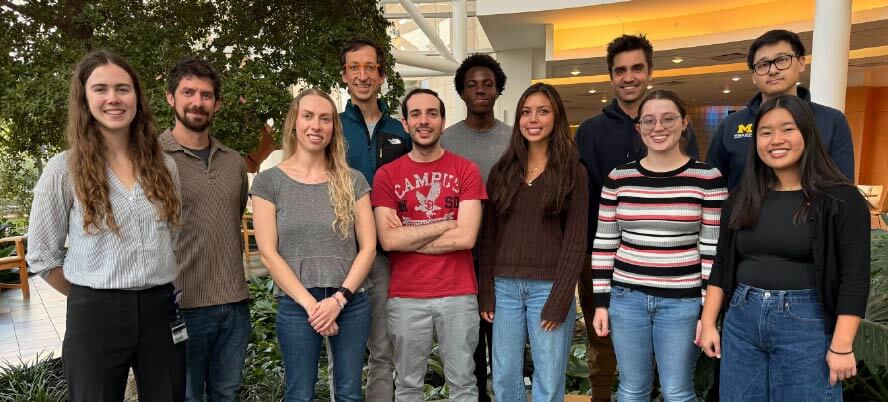
CONGRATULATIONS to Daniel de la Nava from the University of Michigan - our second-place winner in Active Motif's TIP-ChIP Service Grant Competition, receiving $30,000 in services.
Winning Abstract
Diffuse Midline Gliomas (DMGs) are highly aggressive pediatric brain tumors with a dismal prognosis, predominantly arising in children and young adults. Despite intensive research efforts, patient survival remains extremely poor, and the standard-of-care treatment, radiotherapy, provides only transient benefits without curative outcomes.
The majority of DMGs harbor recurrent histone H3 mutations, most commonly the lysine-to-methionine substitution at residue 27 (H3K27M) in H3.1 (HIST1H3B/C; ~20%) or H3.3 (H3F3A; ~80%) isoforms, resulting in a global loss of H3K27 trimethylation (H3K27me3). Although both mutations affect the same residue, they confer distinct biological and clinical features: H3.1K27M tumors are largely pontine and occur in younger patients, whereas H3.3K27M tumors arise throughout midline structures and are associated with the poorest survival. Despite these significant epidemiological differences, the molecular basis underlying the divergent biology of these subtypes remains poorly understood, and most studies to date have focused on H3.3K27M DMGs, leaving H3.1K27M tumors underexplored.
Although H3.1 and H3.3 mutations are known to define distinct DMG subgroups based on H3K27 acetylation (H3K27ac), the mechanisms explaining their clinical divergence remain unclear. Human DMG cell cultures closely resemble the disease but often carry additional mutations beyond the histone H3 variants, which can confound mutation-specific analyses. To overcome this limitation, we generated immunocompetent C57BL/6 mouse DMG models that differ exclusively in the histone H3 mutation they harbor (i.e., H3.1K27M, H3.3K27M, or wild-type H3), while maintaining an otherwise isogenic background. Using these models, preliminary data from our laboratory using Cytometry by Time-Of-Flight (CyTOF) identified H3K4me1 as a potential marker distinguishing H3.1- from H3.3-K27M tumors, showing high levels in H3.3K27M and low levels in H3.1K27M. This finding has not previously been reported in the field. H3K4me1 is a histone modification typically associated with enhancer regions, which play a key role in regulating gene expression programs. Differences in H3K4me1 deposition may therefore reflect distinct enhancer landscapes between H3.1- and H3.3-mutant tumors, with important consequences for transcriptional regulation and tumor biology.
Building on these findings, we aim to expand our studies beyond mouse models by using human DMG cell lines that better recapitulate the molecular and epigenetic complexity of the disease. Using TIP-ChIP sequencing, we will profile the genome-wide distribution of H3K4me1, together with H3K27ac and H3K27me3, to capture both the active and repressive regulatory landscapes across H3.1K27M and H3.3K27M backgrounds. This integrated approach will allow us to define subtype-specific enhancer activity, interrogate potential bivalent chromatin states, and identify candidate regulatory elements that may drive the unique biology of each subtype.
Successful completion of this project is expected to yield a clearer understanding of how histone H3 mutations shape the biology of DMG subtypes. This knowledge will ultimately enable the development of mutation-specific, personalized therapies that are more effective, less toxic, and capable of improving survival outcomes and quality of life for children with H3.1- or H3.3K27M DMGs.
Dr. Maximilian Knott, 3rd
DKFZ Heidelberg, KiTZ Heidelberg, Germany
B410, Translational Pediatric Sarcoma Research
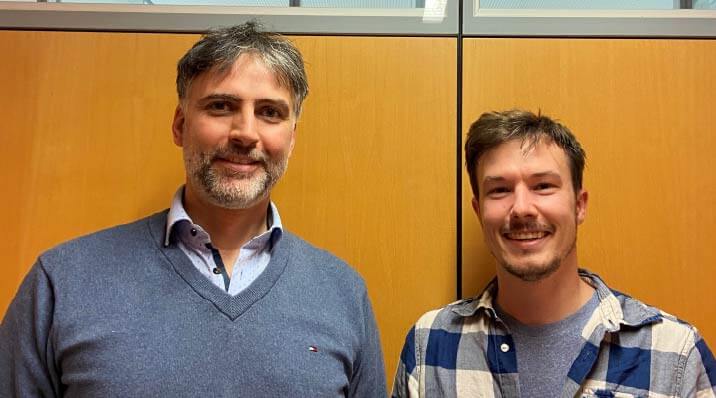
CONGRATULATIONS to Dr. Maximilian Knott at DKFZ Heidelberg, KiTZ Heidelberg - our third-place winner in Active Motif's TIP-ChIP Service Grant Competition, receiving $20,000 in services.
Winning Abstract
TIP-Chip Services Grant Competition: TIP-ChIP for HA-tagged Fusion Transcription Factors in Pediatric Malignancies
Project Summary:
Fusion transcription factors (fTFs) are a hallmark of many pediatric malignancies, including sarcomas and leukemias, where they act as dominant oncogenic drivers by reprogramming enhancer landscapes. Despite their clinical importance, the direct genomic binding sites and chromatin remodeling functions of most pediatric fTFs remain poorly characterized. To address this gap, we propose to perform large-scale, high-resolution chromatin profiling using Active Motif’s TIP-ChIP technology in a systematic study of HA-tagged fTFs.
Experimental Design:
We will generate TIP-ChIP datasets for 50 distinct HA-tagged fusion transcription factors expressed in engineered human cell line models (HEK293, K562). To capture fusion-specific binding sites, we will profile cells expressing either the fTFs or their parental, wildtype transcription factors (e.g. PML∷RARA and RARA). Each condition will be assayed in two biological replicates across two cellular contexts to ensure robustness and generalizability. For each sample, we will perform TIP-ChIP using antibodies against both the HA epitope (to map direct fTF binding) and H3K27ac (to assess downstream enhancer activation).
This comprehensive design results in 800 total TIP-ChIP datasets:
• 50 fTFs + 50 parental wt TFs × 2 (replicates) × 2 (antibodies: HA, H3K27ac) × 2 (cell lines).
Impact and Significance:
This project will generate the most extensive compendium to date of chromatin binding profiles for oncogenic fTFs in pediatric cancers. By systematically linking fTF occupancy with enhancer activity, we will uncover core regulatory elements, identify shared and unique dependencies across fTF classes, and define potential neo-enhancers. These data will provide a foundational resource to the community, enabling novel therapeutic hypotheses and biomarker discovery.
Rationale for Active Motif Support:
Active Motif’s expertise in TIP-ChIP, high-throughput sample handling, and assay reproducibility makes it the ideal partner for a project of this scale. The resulting dataset will not only accelerate our research program but also demonstrate the power of TIP-ChIP for dissecting complex transcriptional drivers in pediatric malignancies.
Conclusion:
We enter the TIP-Chip Grant Competition to run our pilot for the above-mentioned experiment. The proposed study represents a unique opportunity to systematically map fusion transcription factor–driven chromatin regulation and will provide an invaluable community-wide resource to advance the field of pediatric cancer biology. The preliminary data obtained by this pilot will help us secure additional third-party funding for the generation of the anticipated fTF-Atlas in pediatric cancer using Active Motif’s End-to-End TIP-ChIP Service.
Previous Winners
2024
December 17, 2024
Dana Messinger, 1st
Graduate Student, Carl Koschmann Lab
University of Michigan, USA
Pediatrics
CONGRATULATIONS to Dana Messinger from the University of Michigan - 1st place winner of Active Motif's CUT&RUN Service Grant Competition, receiving $15,000 in services (Photo: Lab Head Dr. Carl Koschmann on right, Dana Messinger, 2nd from right)
Her research proposal outlined an exciting CUT&RUN experiment testing 8 mouse glioma cell lines on targets SUZ12, H3K27me3, and H3K4me3. Their lab hopes that this study will provide groundbreaking insights into why ATRX loss is preferentially selected for in H3G34R/V-mutant gliomas compared to H3K27M-mutant gliomas, an incredible direction that could significantly advance the understanding of glioma biology.
Learn more about the work being done in their lab

Winning Abstract
Pediatric high-grade glioma (pHGG), which includes diffuse midline glioma (DMG), are among the most lethal of all pediatric cancers, with survival rarely exceeding 2 years. The most common mutations in pHGG are found in histone variant H3.3 (H3F3A), with nearly 50% of all pHGG exhibiting gain-of-function mutations at either lysine 27 (K27M) or glycine 34 (G34R/V). Both histone mutants result in widespread epigenetic impacts on transcriptional control and distinct clinical behavior. Additionally, roughly 30% of pHGG harbor loss-of-function mutations in the chromatin remodeling protein ATRX, which co-occur in about 20% of H3K27M tumors and 90% of those with H3.3G34R/V mutations. However, there is currently no known mechanism to explain the gap in co-mutation between the different H3F3A-mutant tumors. Studies have demonstrated the ability of H3K27M to inhibit the catalytic function of EZH2, an H3K27 methyltransferase, and ATRX has been shown to impact localization of PRC2, but no such association has been made for H3G34R/V mutations. EZH2, one of the catalytic subunits of the polycomb repressive complex 2 (PRC2), is responsible for maintaining H3K27me3-mediated repression of many cell cycle and early developmental genes, including those involved in brain development. The overall objective of this project is to determine how ATRX loss impacts cell cycle and developmental gene expression in H3G34R/V mutant tumor cells. My central hypothesis states that co-mutation of H3G34R/V and ATRX will result in (i) inappropriate PRC2 localization and H3K27me3 placement, leading to (ii) expression of PRC2-repressed genes and a subsequent increase in tumor cell growth. My preliminary data suggests that the same set of PRC2 target genes are upregulated both by H3K27M alone and ATRX loss/H3G34R together. The first aim assesses the role of concurrent H3F3A and ATRX mutations on PRC2 dysfunction, which will look at both localization and function of PRC2 at known targets and throughout the genome. PRC2 localization will be assessed with CUT&RUN-sequencing on isogenic cell lines in which ATRX and/or histone status have been modified. PRC2 function will studied by looking at overall levels of H3K27me3. The second aim will investigate how H3F3A and ATRX co-mutation affects expression of key cell cycle and developmental genes and how this impacts cell proliferation in vitro and rates of tumor growth in vivo. Successful completion of this proposal is expected to result in a clearer understanding of why ATRX loss is preferentially selected for in H3G34R/V-mutant gliomas over H3K27M-mutant gliomas. This knowledge will result in the ability to design and utilize more specific therapies for H3F3A-mutant gliomas, which could prolong survival in upwards of 50% of pHGG patients.
John Strouboulis, 2nd
Professor and Chair in Molecular Erythropoiesis
King's College London, UK
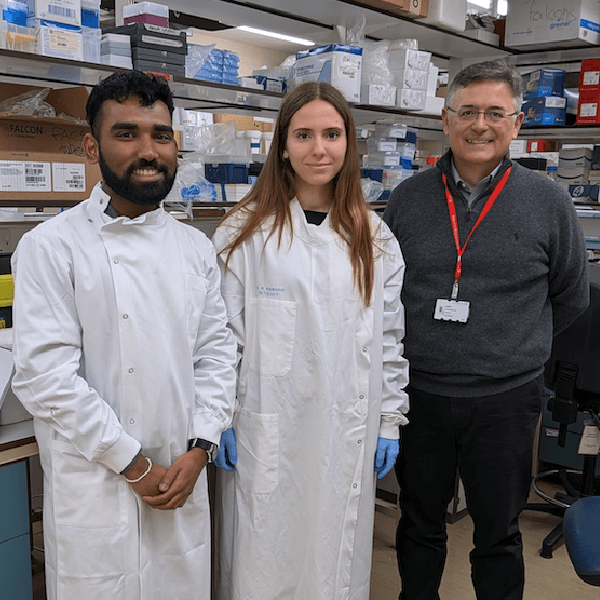
CONGRATULATIONS to Dr. John Strouboulis and his team from King’s College London - our second winner in Active Motif's CUT&RUN Service Grant Competition (Dr. John Strouboulis is on the right)
CUT&RUN in their research on the transcriptional and epigenetic regulation of red blood cell differentiation (erythropoiesis), contributing to understanding of human globin gene regulation in vivo and of key transcription factor functions in erythropoiesis.
Learn more about the work being done in their lab
Winning Abstract
Rare naturally occurring mutations resulting in the expression of GATA1short (GATA1s), an N-terminally truncated isoform of the key erythroid transcription factor GATA1, are the cause of a Diamond-Blackfan Anemia (DBA)-like syndrome, characterized by a failure of red blood cell production in patients. While it is known that GATA1s is deficient in driving erythropoiesis, the molecular basis for its dysfunction is yet to be fully elucidated. This is in part compounded by the lack of suitable in vitro cellular models for studying GATA1s in erythropoiesis. To this end, we used gene editing in the HUDEP-2 human proerythroblastic cell line to generate two cell clones exclusively expressing GATA1short. These clones show defects in terminal erythroid differentiation and increased apoptosis. To our knowledge, these are the only GATA1s cell models available to-date. We now wish to fully characterize the two GATA1s HUDEP-2 clones by GATA1s genome-wide occupancies (CUT&Tag), to identify differences in the genome-wide occupancies between GATA1 and GATA1s that may account for the defects in erythropoiesis and the disease pathogenesis in DBA-like syndrome.
Jay Kim, 3rd
Postdoctoral Research Associate
Princeton Neuroscience Institute
Princeton University, USA
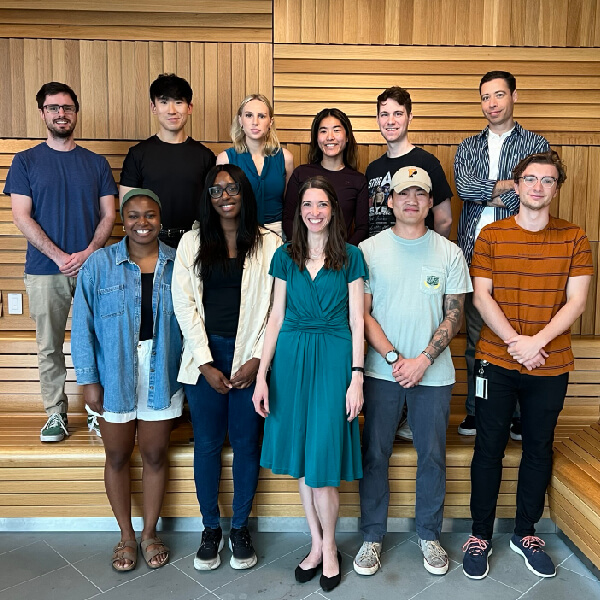
CONGRATULATIONS to Dr. Jay Kim at Princeton University - our third-place winner in Active Motif's CUT&RUN Service Grant Competition (Dr. Jay Kim is fourth from the left in the back of the group photo.)
Dr. Kim is a member of the Peña lab, which studies how early life stressors can change brain development. Their preliminary data suggests that life stress renders chromatin more open, accessible, and reactive to future stimuli, such that monomethylation of histone-3 lysine-4 monomethylation (H3K4me1) is elevated in the ventral tegmental area [VTA]. Dr. Kim plans to use CUT&RUN to evaluate the site-specific efficacy of a novel CRISPR/dcCas9 priming tool used to elevate H3K4me1.
Learn more about the work being done in their lab
Winning Abstract
Early life stress is a major predictor for the development of mood disorders in later life. Despite our knowledge that childhood adversity hypersensitizes individuals to stressful experiences in adulthood, the mechanisms underlying latent stress susceptibility remain elusive. We hypothesize that epigenetic changes are responsible for this long-lasting hypersensitivity. For instance, we have observed that early life stress causes persistent transcriptional changes within brain regions associated with reward processing (e.g., the ventral tegmental area [VTA]). Our preliminary data also indicates that early life stress renders chromatin more open, accessible, and reactive to future stimuli, such that the monomethylation of histone-3 lysine-4 monomethylation (H3K4me1) – a chromatin modification associated with epigenetic “priming” of transcription – is elevated in the VTA. While this may be true, we currently lack validated tools to site-specifically prime the epigenome to empirically test these causalities. Thus, the first aim of our project entailed the creation of such a CRISPR/dCas9-based priming tool, “CRISPRp,” to monomethylate H3K4me1 at specific genomic loci via guide RNAs. We are now validating the specificity and function of our novel construct in neuron-like N2A cells. This validation entails various chromatin immunoprecipitation techniques, including Active Motif’s Cut&Run and Cut&Tag assays to evaluate the site-specific efficacy of our novel priming tool in elevating H3K4me1. Once this in vitro work is completed, we will evaluate CRISPRp’s ability to mimic early life stress in vivo: In conjunction with gRNAs, CRISPRp will be delivered to the VTA of developing male and female mice, after which these animals will be exposed to stress and behavioural testing in adulthood. Finally, we will test whether CRISPRp can likewise be used to prime sensitivity to positively valanced stimuli such as environmental enrichment. This novel epigenome editing tool will enhance our understanding of experience-dependent chromatin modification to reveal therapeutic intervention points along the psychopathological continuum of childhood trauma and stress hypersensitivity.
T-Shirt Winners
Lauren Ayers
PhD student, Graduate Program in Genetics and Genomics
Darrell Kotton lab
Boston University Medical Campus, USA
https://www.bumc.bu.edu/kottonlab/
The Kotton lab studies the mechanisms that promote aberrant alveolar cell fates in severe lung diseases. Ms. Ayers abstract proposes to use CUT&RUN to elucidate the role of the NKX2-1 transcription factor in suppressing a pathological aberrant alveolar-basal intermediate (ABI) cell state which has been observed involving AT2 cells and has been implicated in a variety of severe lung diseases.
Alexandre Gaspar Maia
Head of the Functional Epigenomics Laboratory
Mayo Clinic, USA
https://www.mayo.edu/research/faculty/gaspar-maia-alexandre-ph-d/bio-20415933
Dr. Gaspar Maia is studying non-genetic mechanisms that have recently emerged as critical contributors to cancer therapy failure. His abstract proposes to use CUT&RUN for histone marks to define enhancers associated with chemotherapy resistance and map heterochromatin regions associated with silencing of transposable elements as well as to map transcription factors that are involved in activation and repression in the context of chemo-sensitivity.
Marco Bruschi
Postdoctoral Fellow
Gustave Roussy Cancer Campus, France
Pediatric Oncology / U981
https://www.gustaveroussy.fr/en/genomics-and-oncogenesis-childhood-brain-tumors-lab-members
Dr. Bruschi studies pediatric brain tumors. His abstract proposes to use CUT&RUN to target TP53 as it relates to Li-Fraumeni syndrome (LFS). TP53 is an important regulator of the embryonic organogenesis of brain regions and this process is perturbed by predisposing mutations related to LFS, therefore creating a permissive environment for tumor initiation in these regions.
Shyleen Frost
Postdoctoral Fellow at Institute for Systems Biology
Kane Lab, USA
https://kane.isbscience.org/
Dr. Frost proposes to use CUT&RUN as a tool to explore the genome-wide positioning of histone variants during aging and explore the effect of sex and tissue type. Thus far the aging field has primarily been focused on DNA methylation studies. By using CUT&RUN to explore genomic positioning of histone variants additional important loci or regions whose expression may drive aging or age-related diseases could be uncovered. This work could also lead to the development of new types of “epigenetic clocks” based on histone variants, rather than DNA methylation.
Miyawaki Masashi
Molecular Pharmacology of Malignant Diseases, Graduate School of Pharmaceutical Sciences
University of Tokyo, Japan
Dr. Masashi’s lab studies epigenetic regulation as it relates to hematologic oncogenesis and has previously shown that ASXL1 mutations express a C-terminal deletion of ASXL1 (ASXL1-MT) in patients with acute leukemia and myelodysplastic syndromes (MDS), and that ASXL1-MT regulates expression of neighboring genes via inhibition of histone H3K27 trimethylation and deubiquitination of histone H2AK119. Dr. Masashi’s abstract proposes to clarify how the two epigenetic regulators, ASXL1/BCOR, cooperate to lead to the development of hematological diseases by focusing on H2K119Ub/H3K27me3 in bone marrow HSCs and performing CUT&RUN analysis.
2022
November 16, 2022

Warren Fiskus, PhD
University of Texas
MD Anderson Cancer Center
"Collectively with the single-cell multiome analyses, data generated will allow us to determine the effect of a chromatin remodeling inhibitor (CRI) on the distinct chromatin states (open vs closed chromatin) and transcriptome profiles in clusters of AML cells, immune-effector cells and stromal cells, which could potentially be correlated in the future with the therapeutic response or resistance to CRI treatment.”
Winning Abstract
Acute Myeloid Leukemia (AML) afflicts approximately 20,000 adults per year and is lethal in the majority, especially in elderly patients. AML stem/progenitor cells (LSCs) resist differentiation, retain leukemia-initiating potential and mediate relapse of AML. Driver genetic alterations dysregulate enhancers (Es) and transcriptome that orchestrates the phenotype and malignant behavior of AML LSCs. Chromatin remodelers (CRs) control chromatin accessibility, at the enhancers/promoters and activity of the key transcription factors (TFs) and co-factors that induce the dysregulated transcriptome in AML. A chromatin remodeling inhibitor (CRI) that induces lethality in AML cells is currently being evaluated for efficacy in early phase clinical trials in AML at MD Anderson Cancer Center. However, CRI-induced perturbations in the activity of Es and their targeted gene-expressions have not been characterized in AML cells. It is important to determine and correlate this activity of CRI with its anti-AML efficacy. Single-cell Multiome ATAC-Seq and RNA-Seq analysis (utilizing the 10X chromium controller) is a powerful technique to determine the chromatin accessibility, active Es and transcriptome at the single cell level, which can be bioinformatically linked to delineate drug-induced gene-expression signature not only in the AML bone marrow aspirate samples but also in the immune-effector and stromal cells present in the AML micro-environment. The CRI-induced signature of transcriptional perturbations in AML LSCs and microenvironment can be utilized as a biomarker signature for correlation with the clinical efficacy/resistance of CRI. To accomplish this goal, we first determined the median LD50 (50% lethal dose) of CRI in PD AML cells, by evaluating the dose-response lethal effect of CRI in patient-derived (PD), poor prognosis AML cells (with MLL1 rearrangement) to different doses and exposure intervals of CRI. We next treated two samples of BMA-derived mononuclear cells from AML with MLL1r to the LD50 concentration of CRI for 16 hours and cryopreserved the cells (total of 4 samples). We anticipate that we will have available two additional samples (untreated and treated with CRI), making a total of six AML samples for conducing the single-cell multiome ATAC-Seq and RNA-Seq analysis. We will also apply GSVA to identify effects of CRI on functional gene-sets highlighting alterations in signaling pathways in the cellular subpopulations. We will concomitantly perform ChIP-Seq analyses on the AML samples, utilizing H3K27Ac and BRD4 antibodies to determine the effects of CRI treatment on the active chromatin. Collectively with the single-cell multiome analyses, data generated will allow us to determine the effect of CRI on the distinct chromatin states (open vs closed chromatin) and transcriptome profiles in clusters of AML cells, immune-effector cells and stromal cells, which could potentially be correlated in the future with the therapeutic response or resistance to CRI treatment.
2019
May 23, 2019
We would like to thank all of the researchers that took the time to submit abstracts for this year’s competition. There were many outstanding abstracts that we selected two winners this year! We would like to congratulate our winners, Dr. Enrico Glaab and Dr. Lucy Stead. We were excited about Dr. Glaab’s research, which aims to understand how epigenetics may account for the “missing heritability” and mediate environmental influences in Parkinsonian disorders. We were equally as excited about Dr. Stead’s research. The aim of the study is to understand the role of histone modifications at bivalent promoters that induce transcriptional reprogramming of cells derived from Glioblastoma to survive radiation and chemotherapy. Both of these studies hope to shed light on the importance of understanding the role of epigenetics in disease and how understanding the mechanism of such will one day lead to better diagnosis and outcomes for many devastating diseases. We look forward to participating in these exciting projects!
Services Grant Competition Winners

Enrico Glaab, PhD
Assistant Professor, Luxembourg Centre for Systems Biomedicine
University of Luxembourg
Biomedical Data Science group and Epigenetics group
Front row (left to right): Yujuan Gui, Borja Gomez Ramos, Sergio Helgueta, Muhammad Ali.
Back row (left to right): Enrico Glaab (PI of the Biomedical Data Science group), Julia Becker, Armin Rauschenberger, Jochen Ohnmacht, Marios Gavriil, Lasse Sinkkonen (PI of the Epigenetics group), Léon-Charles Tranchevent, Diana Hendrickx
Winning Abstract
Our main objective is to improve the understanding of epigenetic alterations in Parkinsonian disorders and their utility in differential diagnosis.
Parkinson's disease (PD) and Progressive Supranuclear Palsy (PSP) are two neurodegenerative movement disorders with many similar symptoms. Due to their phenotypic resemblance, they can be easily misdiagnosed, and objective and reliable diagnostic biomarker signatures are needed for personalized therapies.
Disease-associated genetic variants have been identified in recent years for both disorders. Still, a large fraction of the heritability of PD and PSP, and the underlying molecular disease causes, remain largely unknown. Epigenetic mechanisms influencing chromatin accessibility, such as DNA and histone modifications, may account for a significant part of this ‘missing heritability’ and mediate environmental influences on disease susceptibility. Previous studies revealed that genes containing PD-associated genetic risk variants display altered DNA methylation in various brain tissues in PD, suggesting that their chromatin accessibility is also altered. These PD-linked methylation changes in brain tissue show a high concordance with methylome alterations in blood. Thus, chromatin accessibility changes in blood cells, such as monocytes, could serve as an easy-to-access surrogate biomarker with major diagnostic value. However, epigenetic changes in PD have not yet been compared against those in other forms of parkinsonism, such as PSP, and no chromatin accessibility studies have been performed in the context of PD.
We hypothesize that:
(1) Significant chromatin accessibility changes occur in monocytes from PD and PSP patients as compared to unaffected controls.
(2) Multivariate signatures of these changes provide significant discriminative information for differential diagnostic model building using machine learning methods.
To test these hypotheses we aim to integrate data from genome-wide ATAC-seq chromatin accessibility profiles of monocytes from our local patient cohort for PD and atypical parkinsonism syndromes (LuxPARK), with state-of-the-art molecular network perturbation analyses exploiting prior transcriptomic and genomic data we previously collected for these disorders. By comparing ATAC-seq data from monocytes of idiopathic PD patients, PSP patients and healthy controls, we will determine genomic regions and target genes with altered chromatin accessibility. After mapping this data onto a genome-scale gene and protein regulatory network, we will apply our machine learning algorithm to determine the most affected sub-networks. The derived perturbed sub-networks will enable a network-based interpretation of disease-associated epigenetic changes and their interrelations with transcriptomic and genomic changes. Finally, we will assess the potential of network-based multi-omics signatures to provide more robust diagnostic models than conventional methods focused on single biomarker molecules.
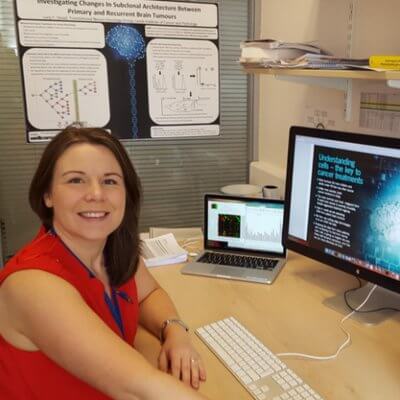
Lucy Stead, PhD
University Academic Fellow, Leeds Institute of Medical Research at St James's
University of Leeds
Winning Abstract
Glioblastoma (GBM) is the most common and most deadly form of adult brain cancer. It has a median survival of just 15 months and kills more people in their 40s than any other cancer. This is because GBM tumours are incurable; cells break away from the main tumour and invade into the surrounding brain tissue making complete surgical removal impossible. The cells that remain are treated with radiation and chemotherapy but some of them inevitably survive, leading to tumour regrowth. To address the unmet clinical need for more effective treatment of GBM, we must specifically characterise the cells that currently resist treatment and find ways to kills them. To this end, we have been doing large-scale profiling and comparison of matched primary and post-treatment recurrent GBM tumours from the same patient. Our work so far has indicated that treatment resistance is not conferred by tumour specific mutations as is the case of some other cancers. This partially explains why drugs that have been developed to target genetic abnormalities within GBM tumours have failed to yield clinical impact. Furthermore, we have identified evidence for transcriptional reprogramming of GBM cells in response to treatment, which may facilitate their survival and consequently provide a novel therapeutic opportunity. This reprogramming is indicated to occur via chromatin remodelling, especially around bivalent promoters, implicating two specific histone marks: H3K27me3 and H3K4me3. We have formalin-fixed pre-and post-treatment GBM tumour samples from the same patient, from which we have already acquired the expression profiles via RNAseq. We propose to now additionally characterise and compare the locations of both trimethylated H3K27 and H3K4 within these samples, using the Active Motif FFPE ChIPseq service, to acquire preliminary data to address our hypothesis: that remodelling of bivalent promoters enables transcriptional reprogramming in response to treatment in GBM. We will acquire raw data from Active Motif for this single pair and integrate it with our RNAseq and exome sequencing data, in house, to determine a) which promoters are repressed (H3K7me3), active (H3K4me3), or primed for activity (bivalent i.e. both marks are present) in the primary GBM, b) how the status of each promoter is changed after treatment by comparing the presence of these marks in isolation and combination in the recurrent tumour, c) how well gene expression from each promoter correlates with its histone-mark status in each tumour independently, and d) how expression changes after treatment correlates with therapy-driven changes in promoter status. This will confirm whether the transcriptional reprogramming we observe in recurrent versus primary GBM tumours is driven by epigenetic changes. If so, this highlights the deposition or removal of these histone marks as potentially therapeutically targetable mechanisms to more effectively treat GBM.
2018
May 16, 2018
We would like to thank all of the researchers that took the time to submit abstracts and we'd also like to congratulate Maha Abdellatif on being selected to receive $20,000 in free services. We were especially excited about Dr. Abdellatif’s research, which connects metabolism and metabolic enzymes directly with chromatin bound complexes, which results in a local supply of cofactors that are required for histone modifying enzyme function. The potential role of this epigenetic and metabolic connection to cardiovascular disease makes this research all the more important and we look forward to participating in this exciting project.
Services Grant Competition Winner
Maha Abdellatif, PhD
Professor, Cell Biology & Molecular Medicine
Rutgers University
Abdellatif Lab
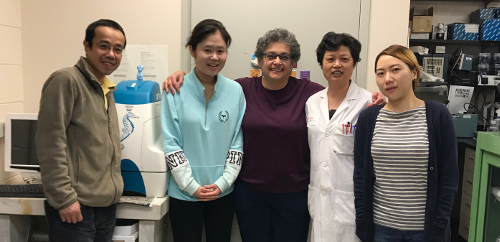
From left to right: Zhi Yang (Surgeon), Sujung Choi (Graduate Student), Maha Abdellatif (PI), Kathy He (Lab Manager), Yong Heui Jeon (Graduate Student).
Winning Abstract
Our overall goal is to understand the mechanisms that govern transcription in the heart during health and disease.
Transcription is a highly dynamic process that requires metabolic intermediates for its activation or deactivation, these include: acetyl-CoA for histone acetylation, alpha-ketoglutarate as a cofactor for histone and DNA demethylases, and succinyl-CoA for histone succinylation. Since none of the CoA-linked metabolites could be exported out of the mitochondria, the nucleus must acquire its acetyl-CoA (Ac-CoA), mainly, via export of citrate from the mitochondria during substrate abundance, which is then converted to acetyl-CoA in the nucleus via ATP citrate lyase. On the other hand, the nucleus’s source of alpha-ketoglutarate (alpha-KG), succinyl-CoA (Suc-CoA), or other short-chain acyl-CoA is not established. The other unanswered question, is how are histones selectively modified at promoters and how does this influence an organ’s homeostasis? In a recent unbiased screen for discovery of proteins that associated with chromatin-bound histone variant H2A.Z in the heart, we uncovered mitochondrial enzymes of the TCA cycle, beta-oxidation, and branched-chain amino acid catabolism in the nucleus, uniquely localized to the transcription start sites (TSS) of genes. The data have been confirmed by immunostaining and Western blots in mouse heart tissue, isolated adult and neonatal myocytes, human iPSC-derived myocytes, and mouse embryos, and metabolomics that identified the metabolites in the nucleus after inhibiting the respective metabolizing enzyme. Importantly, we also uniquely show, using chromatin immunoprecipitation-sequencing (ChIP-Seq) with anti-acetyl-CoA acyltransferase (ACAA2), that this enzyme localizes selectively to the TSS of genes that have H2A.Z in the heart. Knockdown of ACAA2 in cardiac myocytes reduced histone modifications in those promoters. We are currently focusing our investigation on the nuclear role of 4 enzymes, representatives of the pathways that catabolize glucose and fatty acids. These include isocitrate dehydrogenase 2 (IDH2), which converts isocitrate into alpha-ketoglutarate; OGDH, which converts alpha-KG into Suc-CoA; pyruvate dehydrogenase A1 (PDHA1), which converts pyruvate into Ac-CoA; ACAA2, which converts 3-ketoacyl-CoA into Ac-CoA and acyl-CoA.
We hypothesize that:
1) The nucleus harbors mitochondrial enzymes of the TCA cycle and beta-oxidation of fatty acids, that are specifically localized to H2A.Z-bound chromatin at the TSS of select genes.
2) This allows for the local production of Ac-CoA, Suc-CoA, and the production/consumption of alphaKG, which are required for histone modifications necessary for transcriptional activation or repression. Disruption of the nuclear localization of these genes results in the reduction of histone acetylation and succinylation, or enhances methylation at select gene promoters, dysregulating gene expression, and promoting or inhibiting cardiomyopathy, depending on the genes that are selectively regulated.
Using ChIP-Seq, our aim is to identify the chromatin association sites of the metabolic enzymes PDHA1, IDH2, OGDH, and ACAA2 in the normal and hypertrophied hearts, and the effect of their knockdown on histone modifications.